
This post accompanies the YouTube video by the same name on my channel AdirondackForests
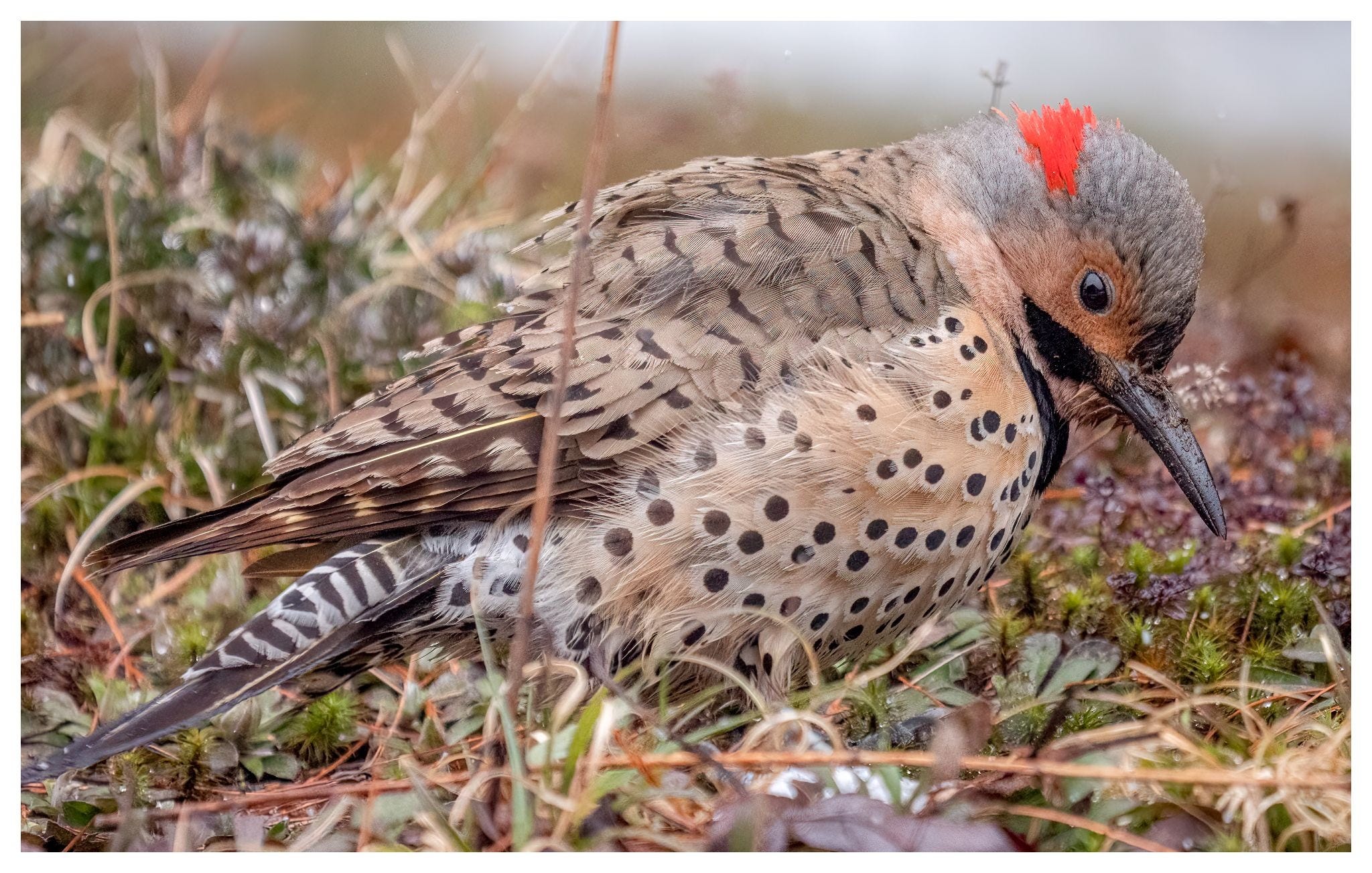
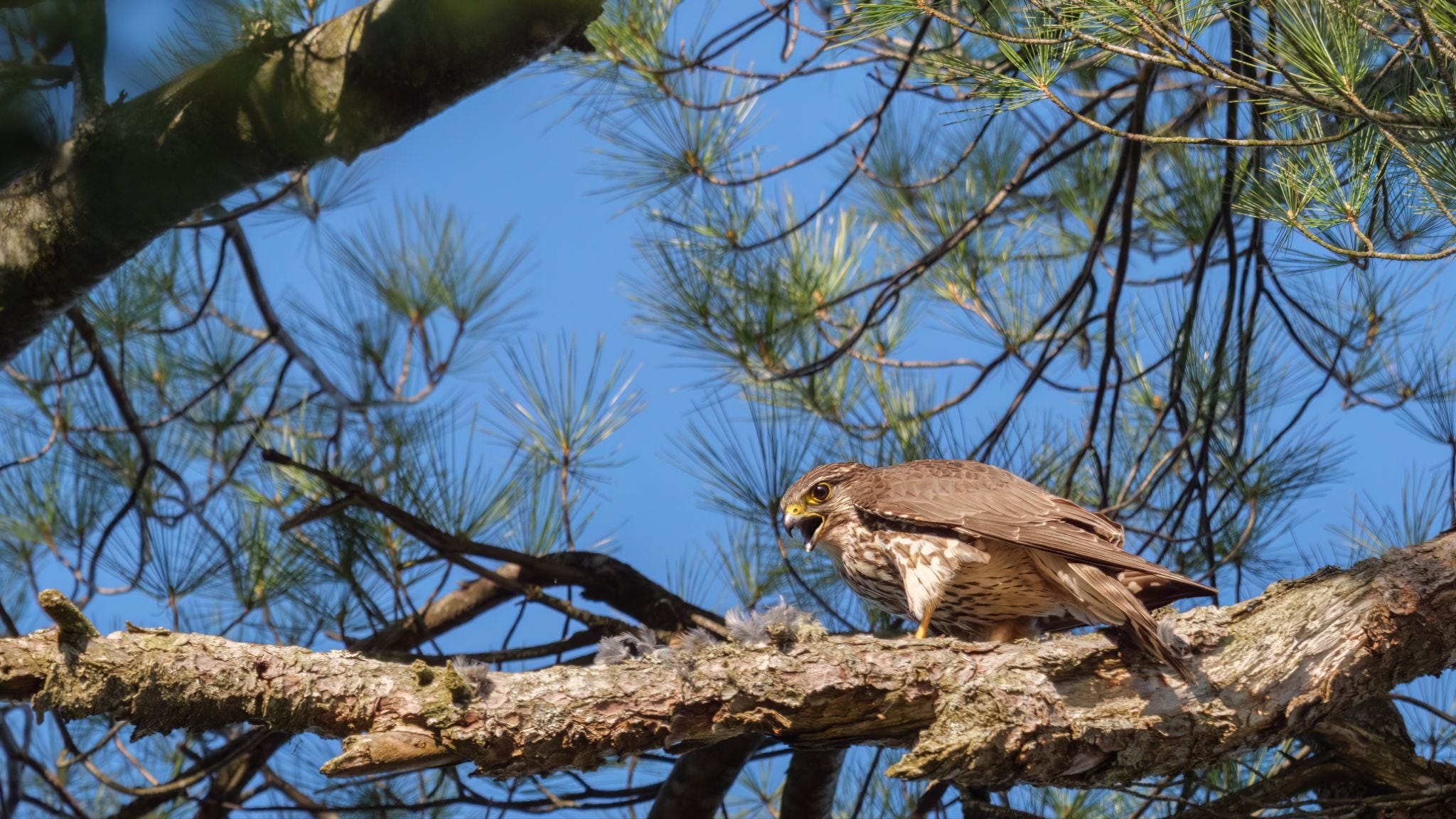
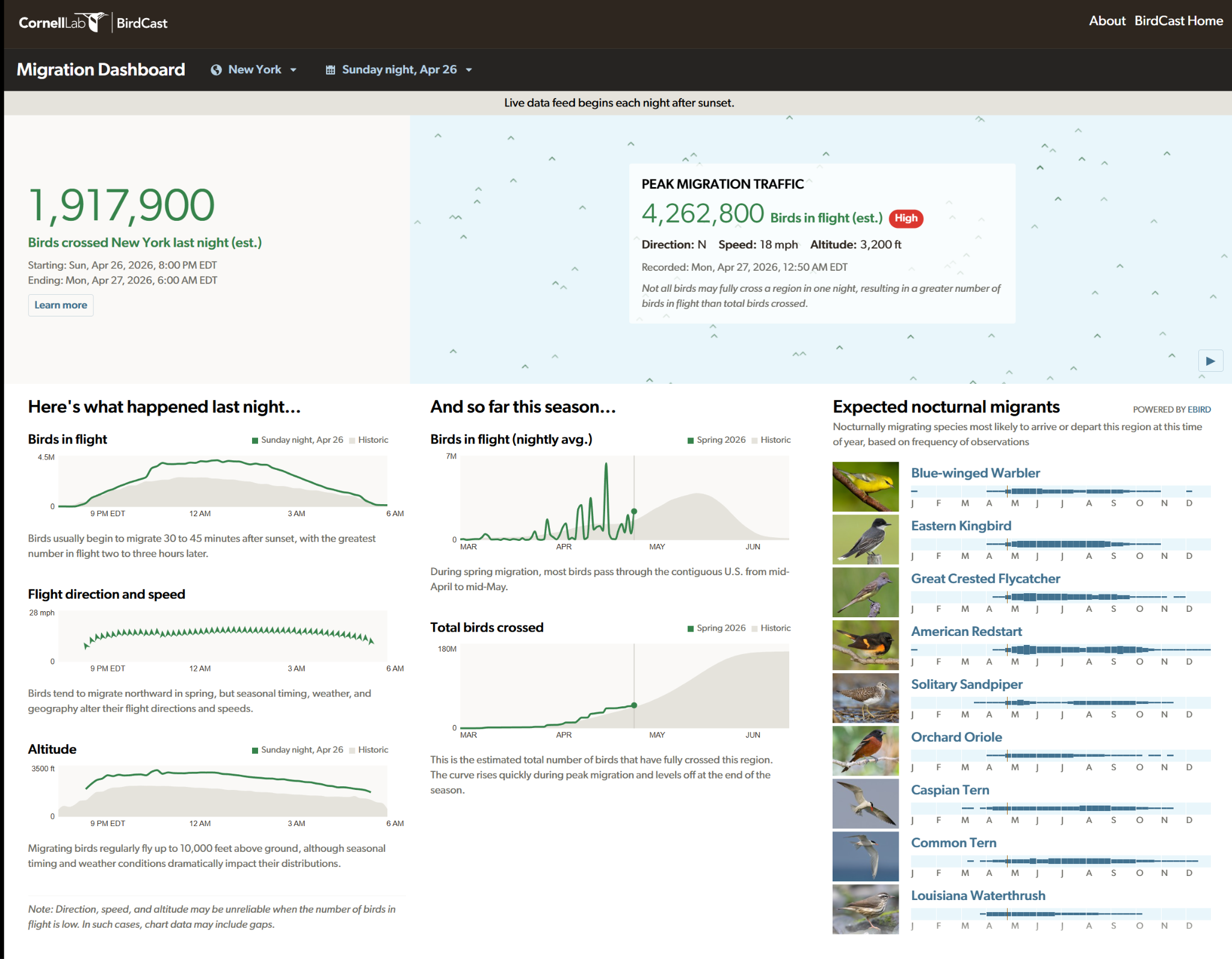
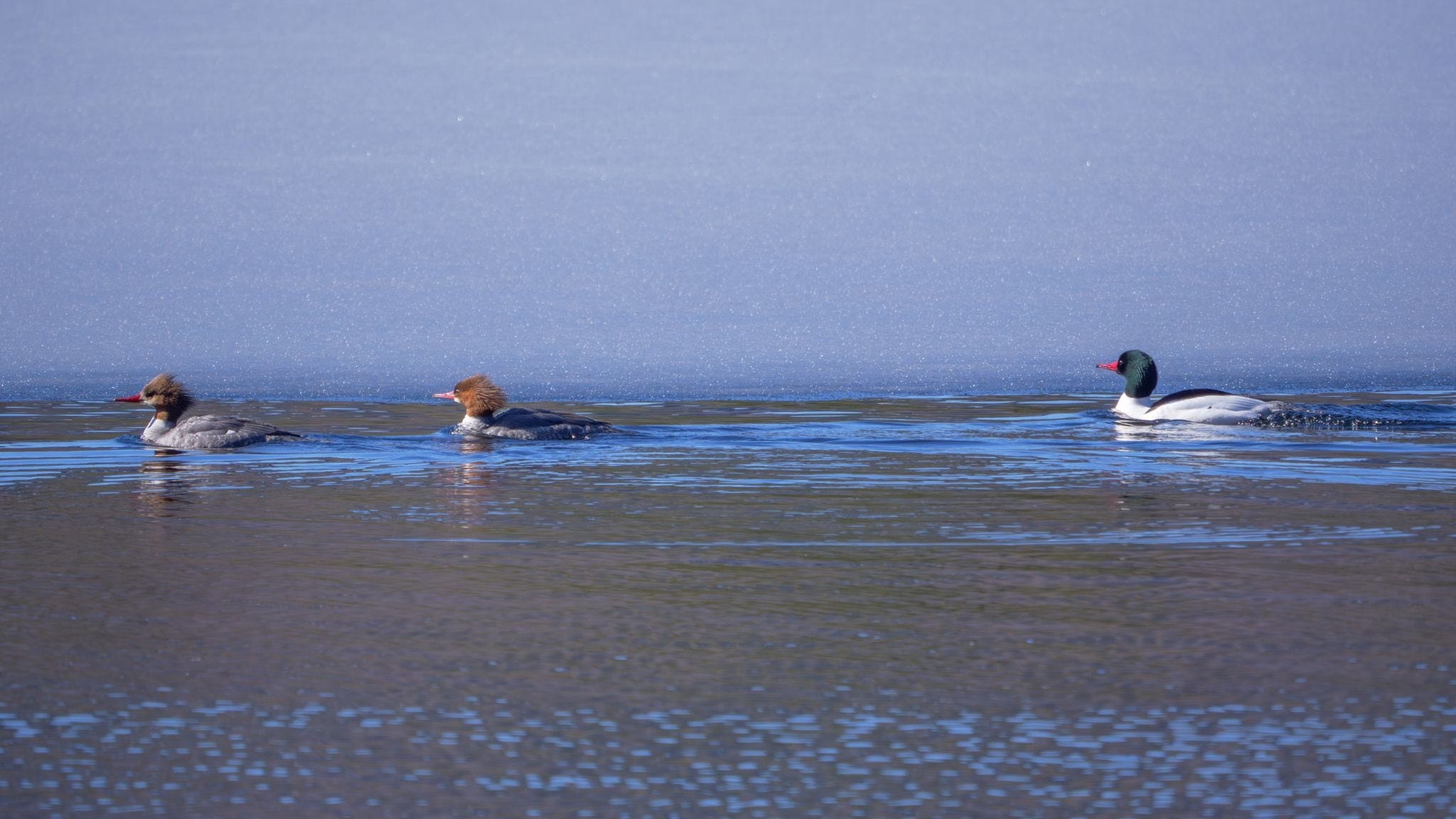
In April, birding really takes off here in the central Adirondacks. Different migrating birds appear each week: Mergansers, Song Sparrows, and Sapsuckers are among the first to arrive, and by mid-month, loons, Hermit Thrushes and Merlins show up. Bird migrations are affected by the weather, but we can see nightly updates on the eBird and Birdcast websites.
The “live” bird tracking data is found on the affiliated BirdCast website.
eBird is the face of Citizen Science at the Cornell Lab of Ornithology. Birdwatchers from around the world submit observations, and there are currently over two billion records in the database. The data is used by researchers and it can also be used by Adirondack birders hoping to know when favorite species will re-appear.
The data collected via eBird can be downloaded for detailed analysis and it can be viewed interactively on the eBird website. You can look at population trends, learn where a species is most abundant, and gain an understanding of where our adirondack birds spend their winters. Most of the birds we see fly off for the winter and they face threats on every leg of their journeys, and on their wintering grounds as well.
eBird is a Citizen Science success story. Millions of people submit data that enables never before possible research. Which makes this a great story for me to start with as I shift the focus for this channel towards participatory science. It’s easy to be overwhelmed by the vast amounts of information, mis-information and noise that comes at us every single day, but this project demonstrates how non-experts can participate in real and useful science.
And it’s not just about bird watching. Citizen science is the name commonly applied to large scale projects such as eBird, but I prefer to call it community science. There are real issues, local issues, where research designed to inform our understanding of environmental and economic issues can help shape our public policies.
Science can and should play a role in guiding public policy, and I want to encourage getting your hands dirty as we look for solutions to real-world problems.
Here a few of the topics I plan to consider in future videos:
Wilderness; What is the value of wilderness and do we need more in the Adirondacks?
Overuse and underuse; What can DEC do to better manage recreation in the Adirondacks?
Invasive Spices: Non-native species alter our local environments and we spend lots of money on mitigation. What is working? What else might be done?
Salvage Logging: Does it reduce fire risk? What will we do the next time a lot of trees blow down?
Some birds are coming and some are going: Why are some species are declining while new and different species are moving in
eBird is a website and phone app and there are many features. You can track your own observations by submitting checklists and you can access the vast trove of data in multiple ways. Given the amount of data, and the different ways you might want to slice it for analysis, there are some complexities when getting started. A number of videos available on YouTube or via the eBird site itself provide complete instructions.
If you are interested in obtaining data for analysis, or using the online tools, this video, the first in a series, is very good. Many other video and written sources are available, some are better than others.
You must register and obtain a free key to download data.
The Adirondack Center for Loon Conservation
https://www.adkloon.org/
From a low in the 1970s Loon populations in the Adirondacks have rebounded and loons are now seen, and heard, on dozens of lakes and ponds. I’m most familiar with Little Tupper Lake, and there appear to be multiple nesting pairs present there. The Adirondack Center for Loon Conservation is a source for updates on conservation efforts and the organization runs an annual count of loons for which volunteers are needed.