A few years ago I produced a Youtube video that I titled “Boreal Birds of the Adirondack Core.” “Boreal” is an ambiguous term, but even so I was pretty loose with my classification. In those days I was more interested in bird photography than serious birding. I’ve learned a lot over the past few years so I’d like to set the record straight, my new title is, “Northern Birds You Can See in the Adirondacks”.
The Adirondack dome provides an outpost at the southern limit of the nesting range for a dozen or so species and for one, Bicknell’s Thrush, the region represents critical habitat. Bicknell’s Thrush nests at high elevations, above 3500 feet, in the Adirondacks and New England with small populations in the Catskills and Quebec. For serious life-listers the Adirondacks is a prime locale for spotting this bird (or hearing one, they are shy and more commonly heard than seen).
Here are a few of the species that nest in the Adirondacks that otherwise require heading off to the north (in some cases far to the north).
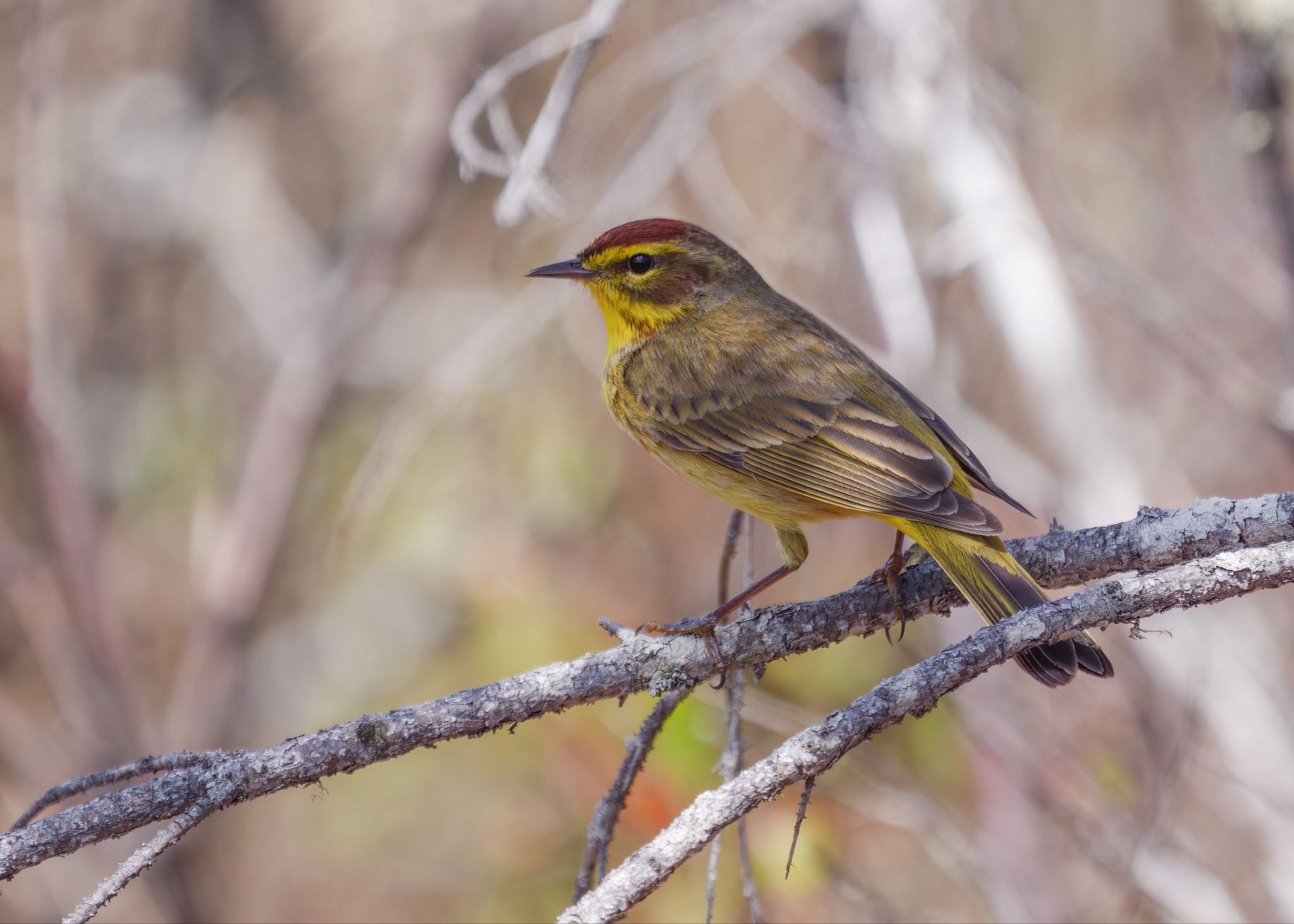
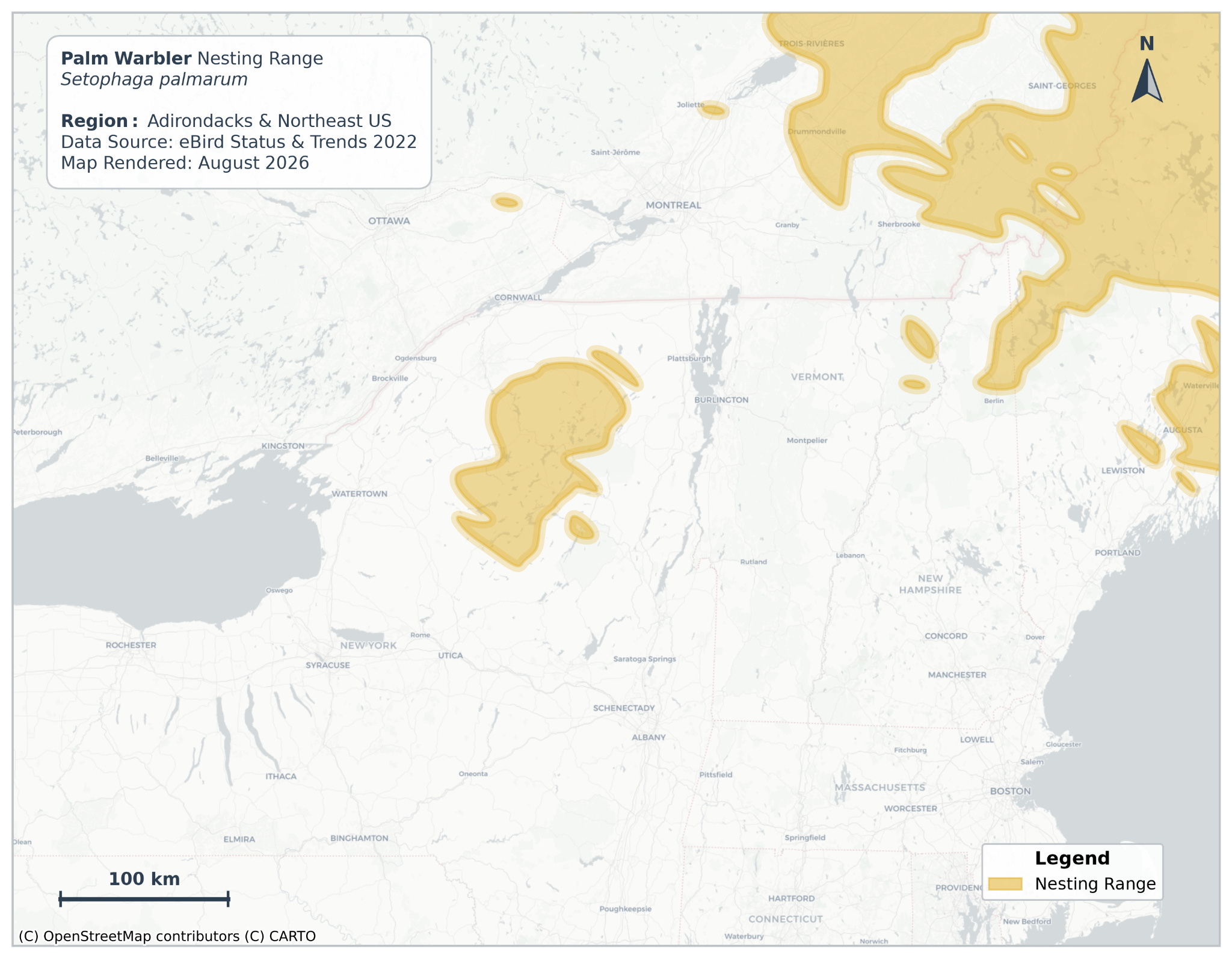
Palm Warbler: The Adirondacks represent the southern most node on the nesting range of this species. In recent years Palm Warblers have commonly been spotted along the Massawepie Mire trail.
The nesting range of the Palm Warbler. Generated from eBird nesting data.
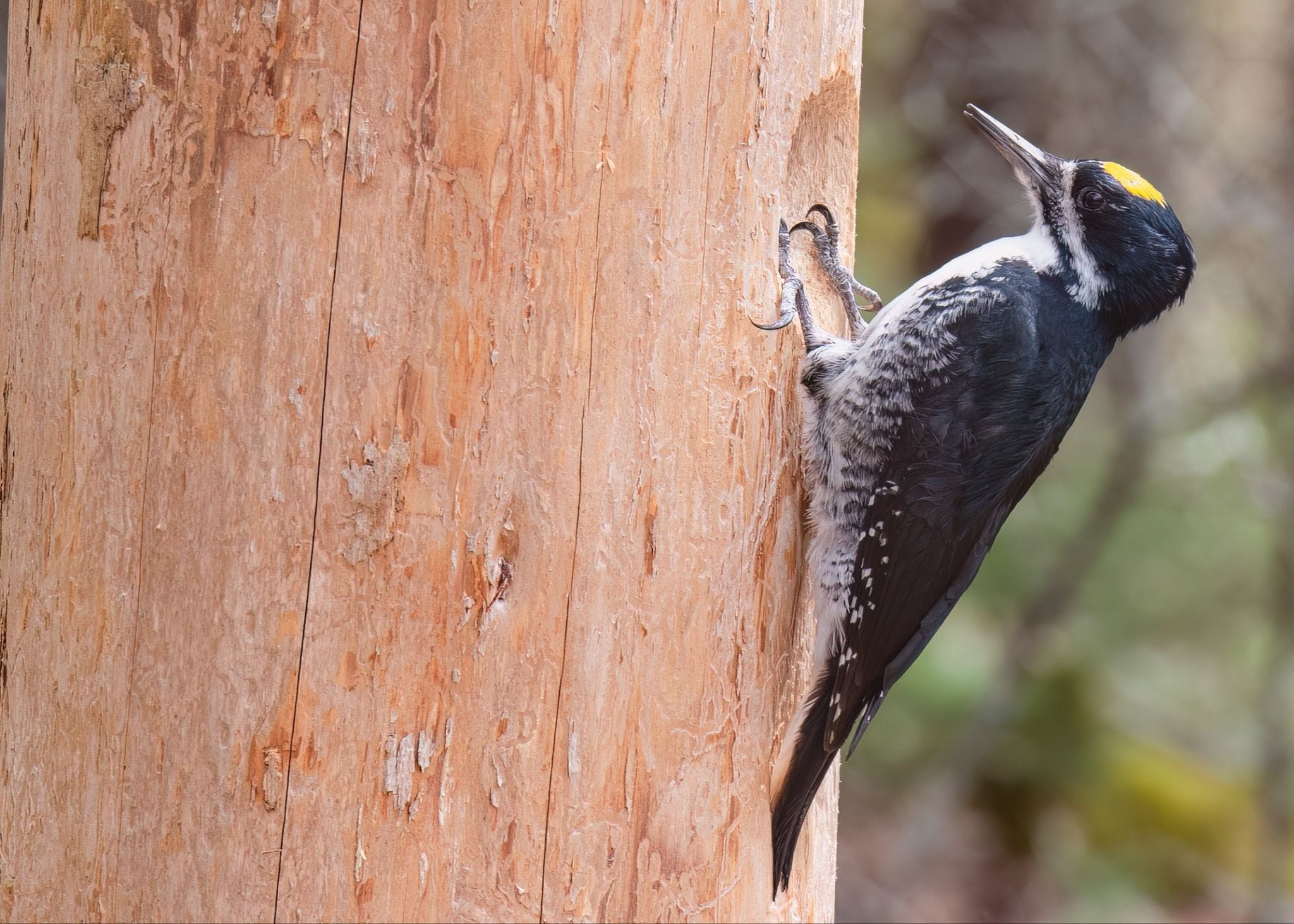
Black-Backed Woodpecker: Uncommon and probably declining in the region. The similar Three-toed Woodpecker was also present in the past but now appears to be locally expatriated.
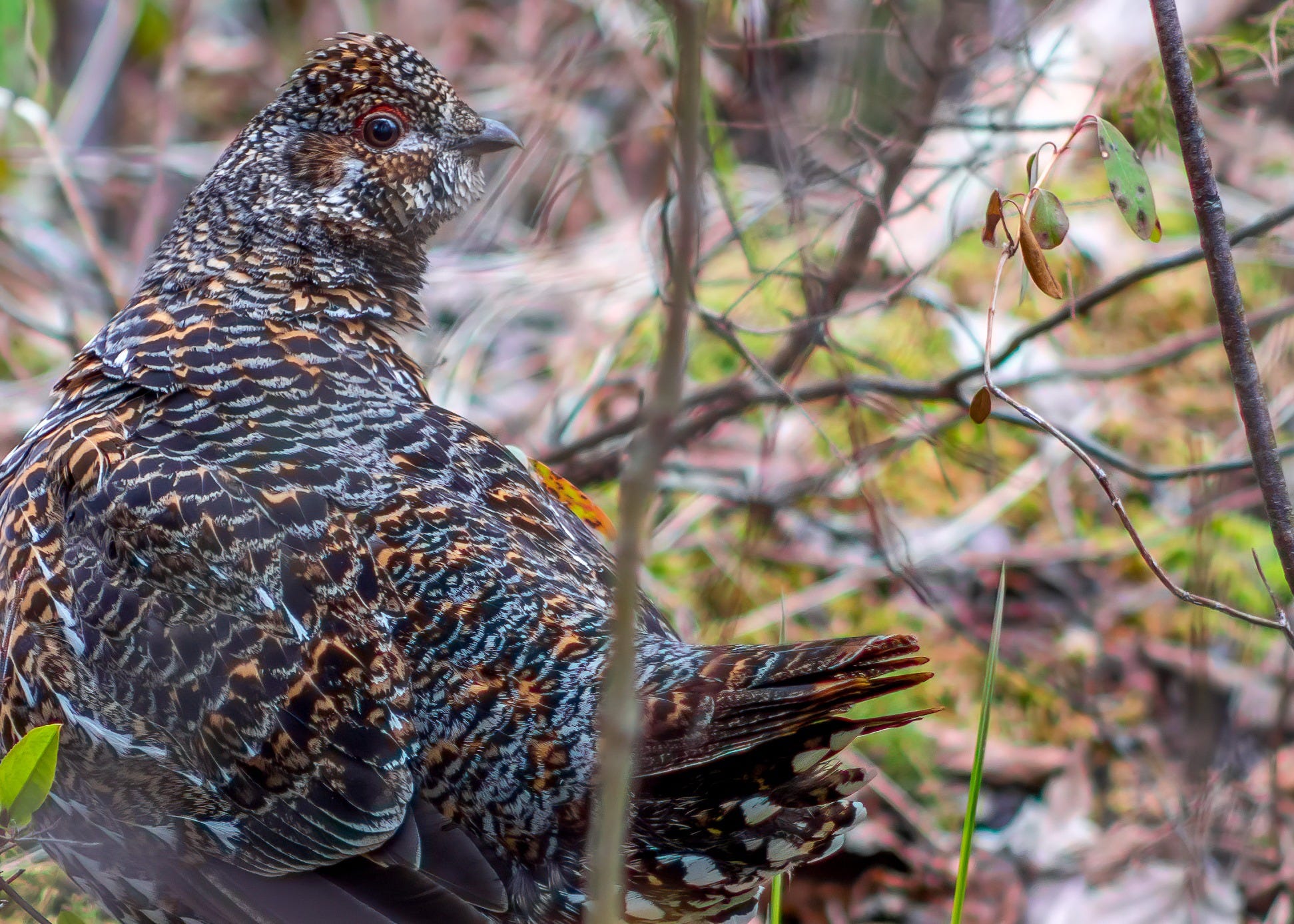
Spruce Grouse (female): Considerable effort by the DEC and other groups has bolstered the Spruce Grouse population in the Adirondacks. Whether it can hang on remains to be seen.
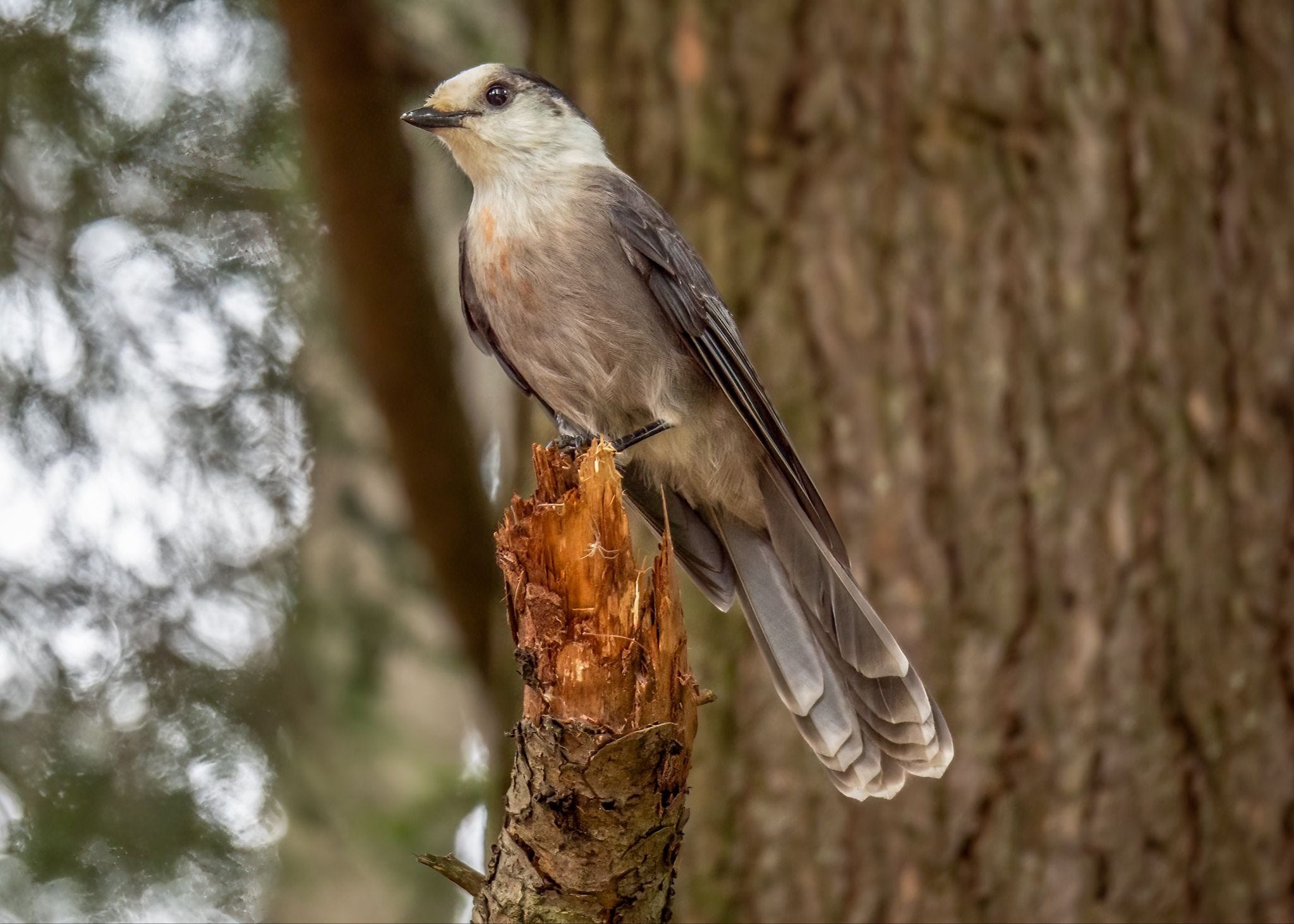
Canada Jay: The population of Canada Jays is small but appears to be stable. And these charismatic birds are relatively easy to find. Just sit down for a snack in an area where they are present and they will find you. They aren’t known as “Camp Robbers” for nothing.
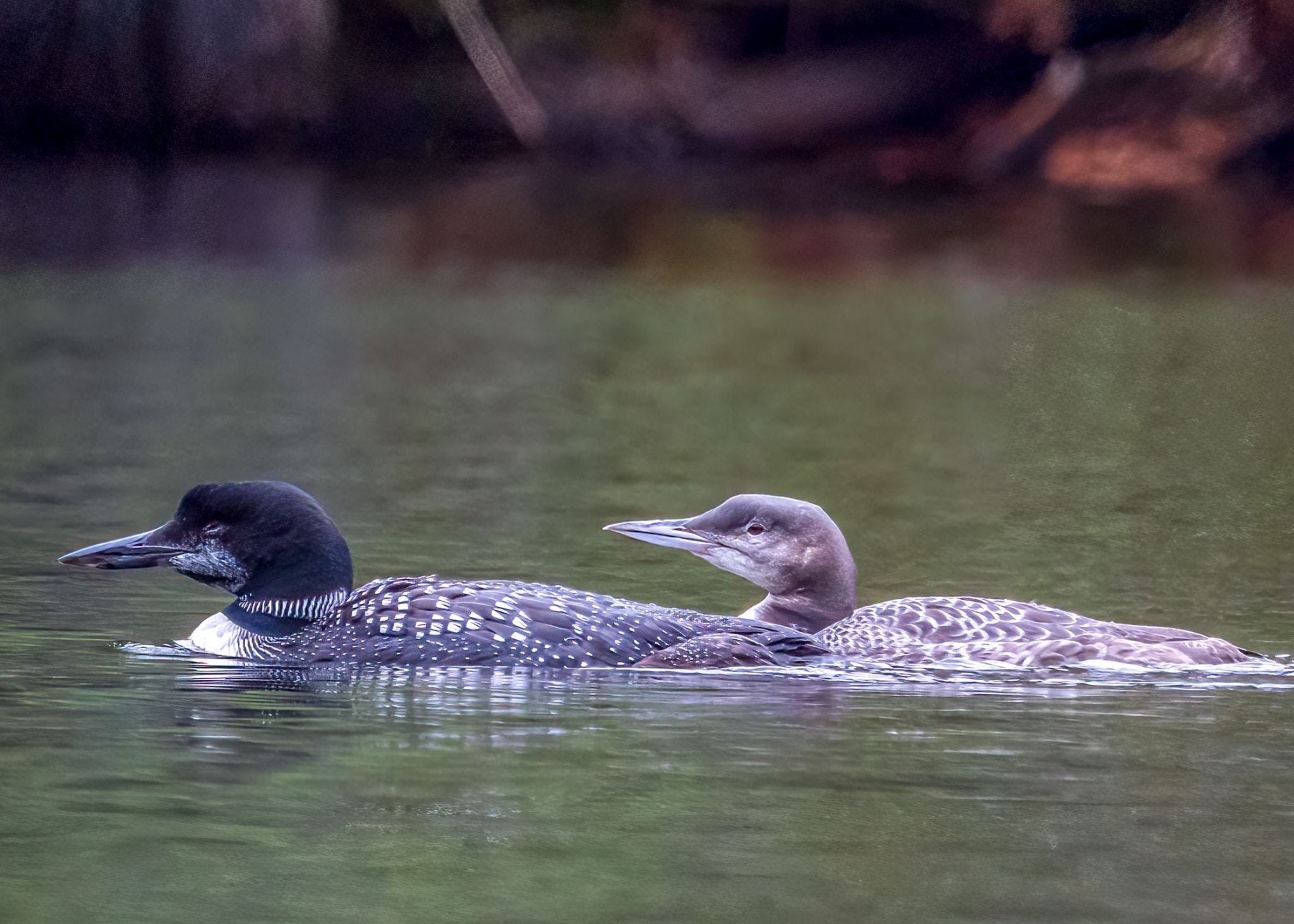
Common Loon: The Common Loon is found in many places but they are iconic in the Adirondacks. The call of a loon echoing over an Adirondack lake is an experience not soon forgotten.
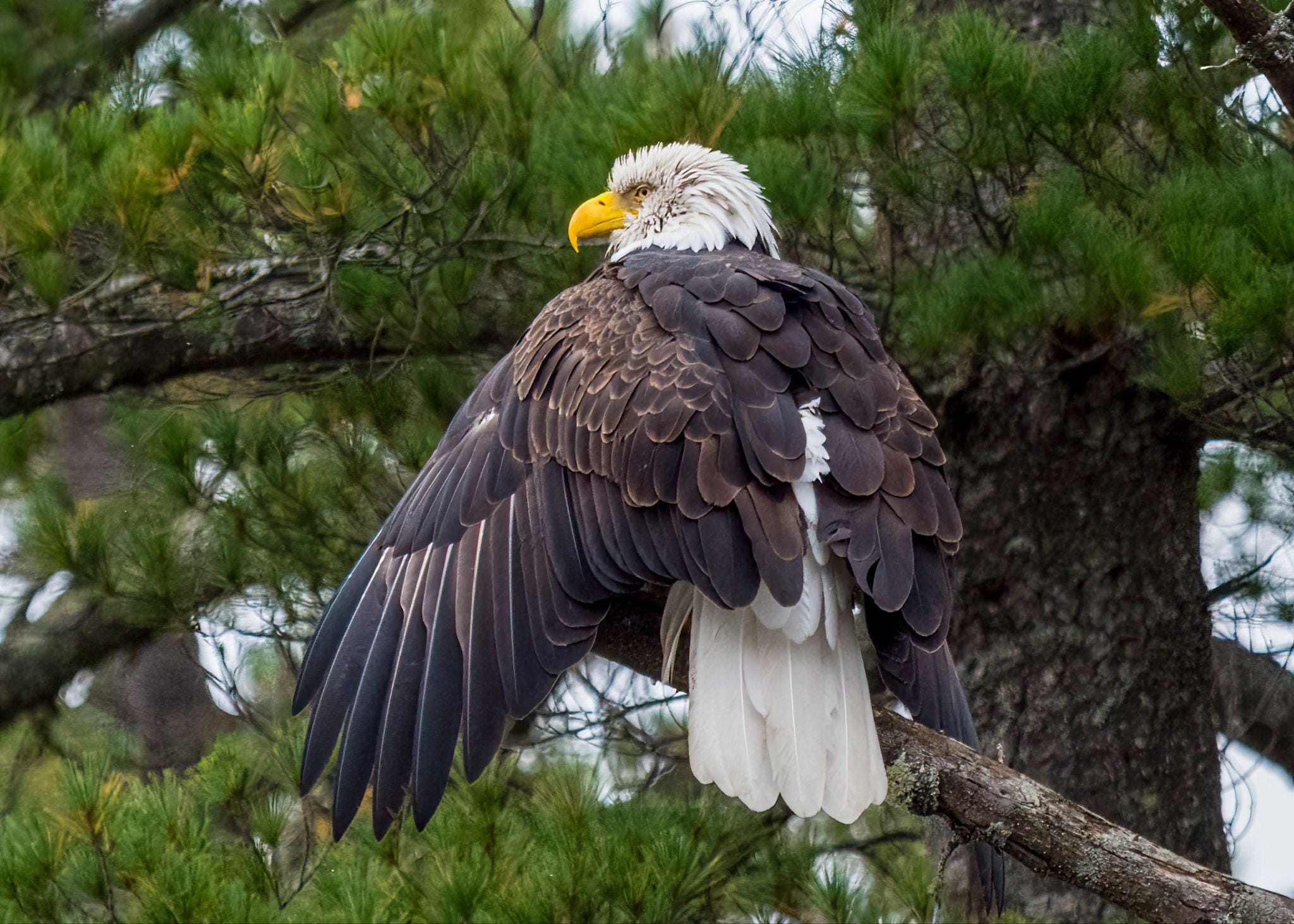
Bald Eagle: Bald Eagles are also found in many other places but are commonly seen soaring above the big lakes of the central Adirondacks. Little Tupper Lake, Hitchens Pond, and Lows Lake have had nesting pairs in recent years.
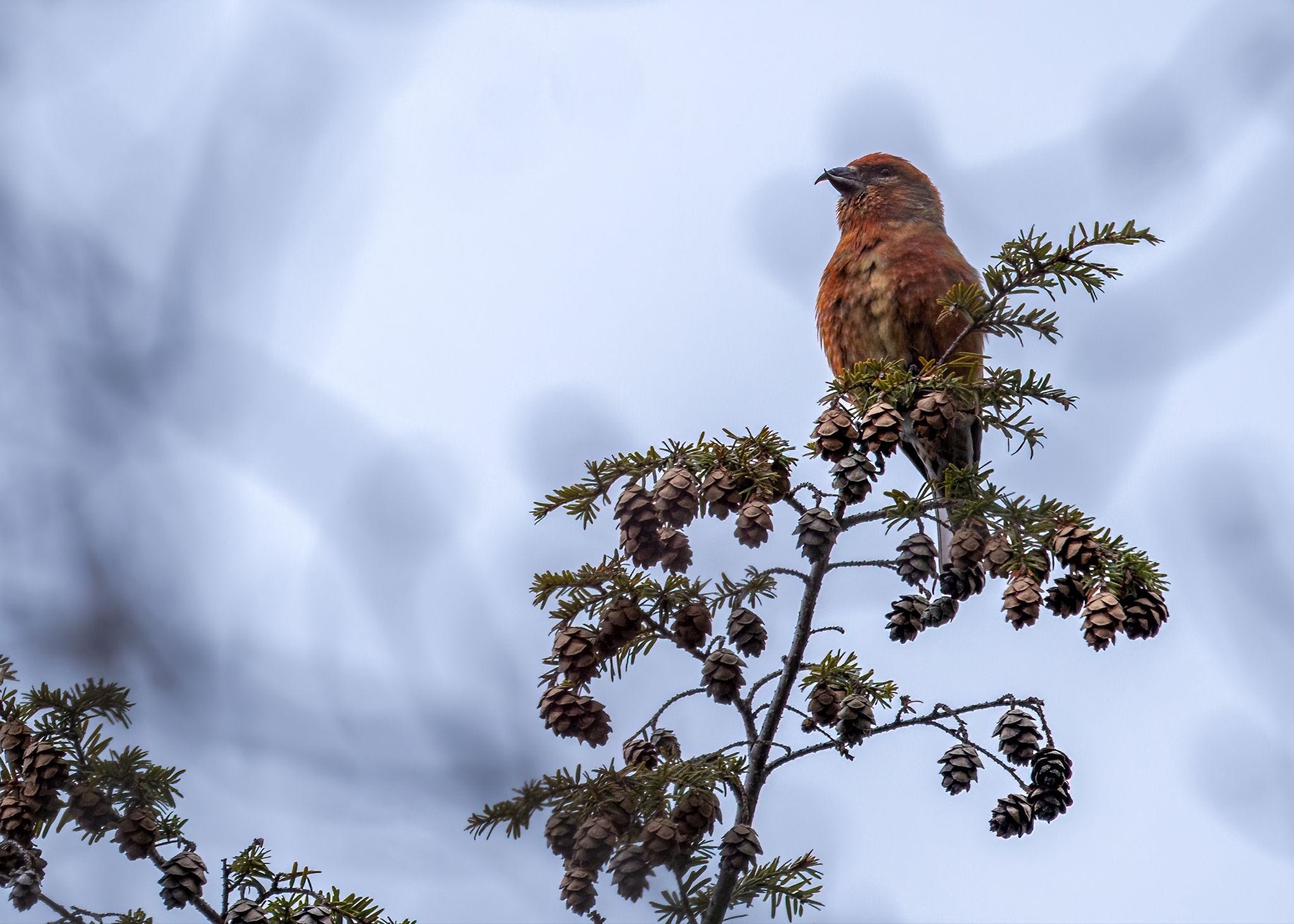
Red Crossbill: The Red Crossbill has a wider range than the closely related White-winged Crossbill, but it is still sought out by birders visiting the region.
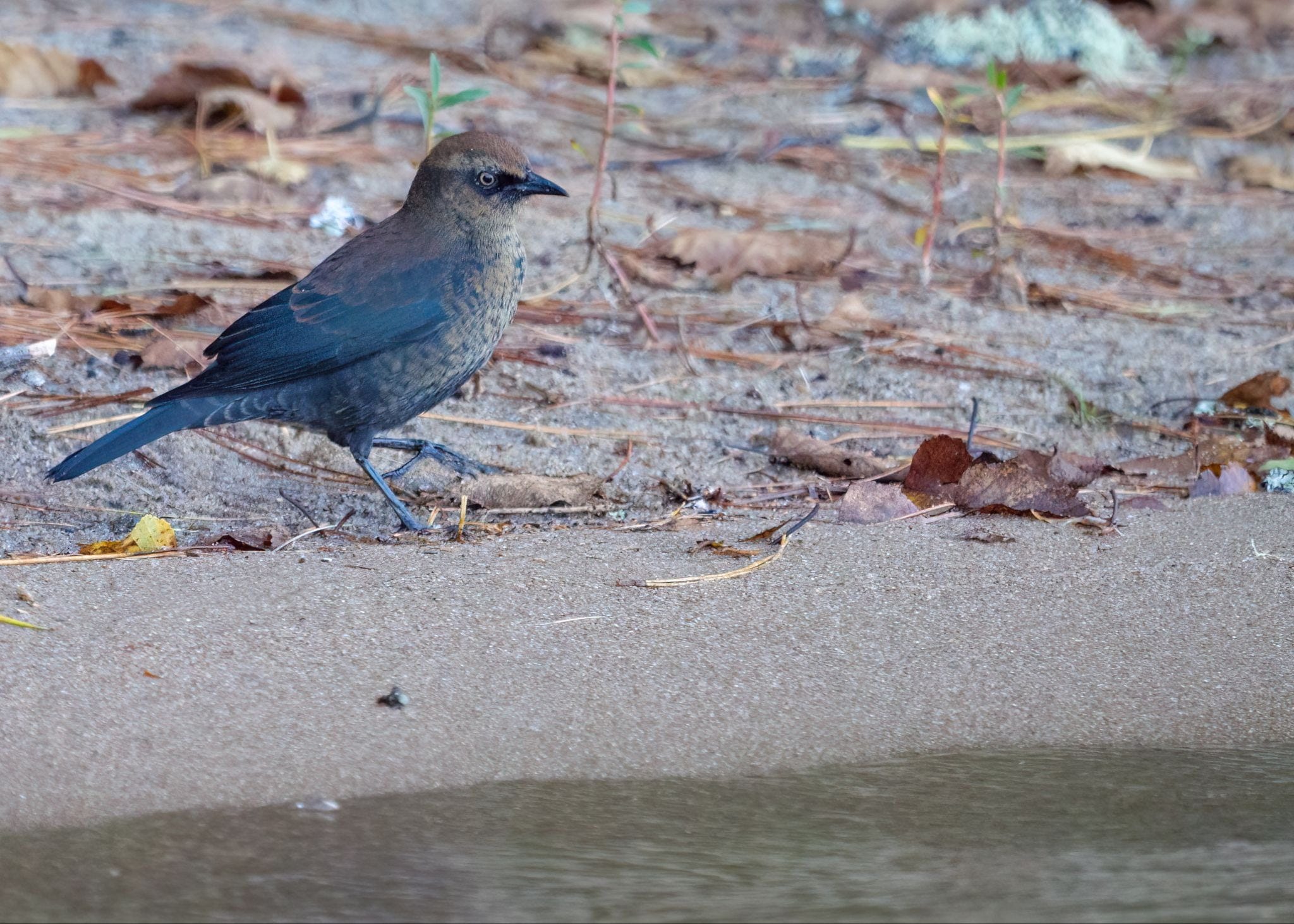
Rusty Blackbird: The Rusty Blackbird is uncommon everywhere and the population is thought to be declining. Like the Palm Warbler, the Adirondacks are about as far south as this bird is known to nest. The Adirondack population is spotty and thin so seeing one is a long shot.
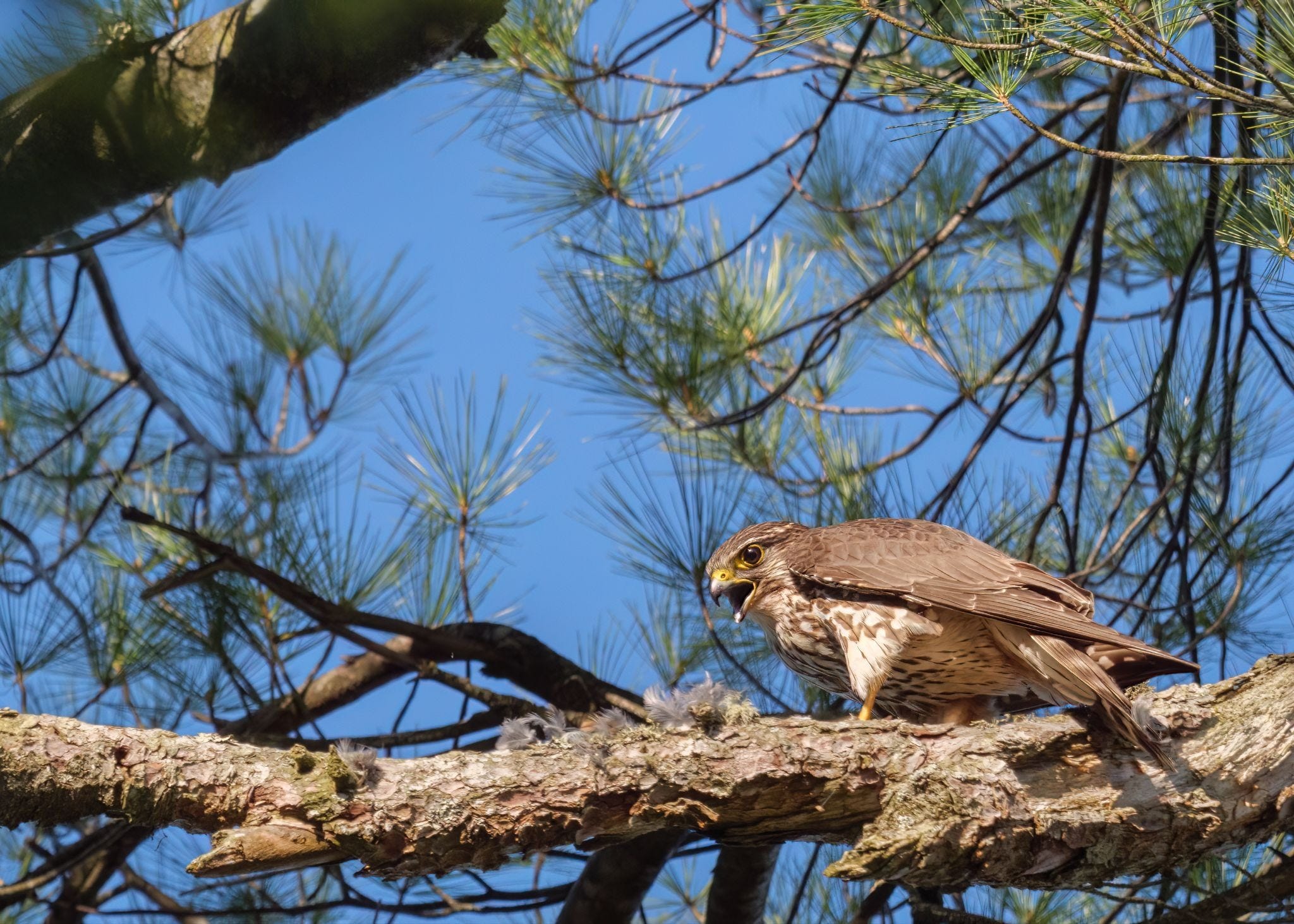
American Merlin: Like the Bald Eagle the population has rebounded since DDT was banned. They have expanded their range southward and are now seen regularly in the Adirondacks.
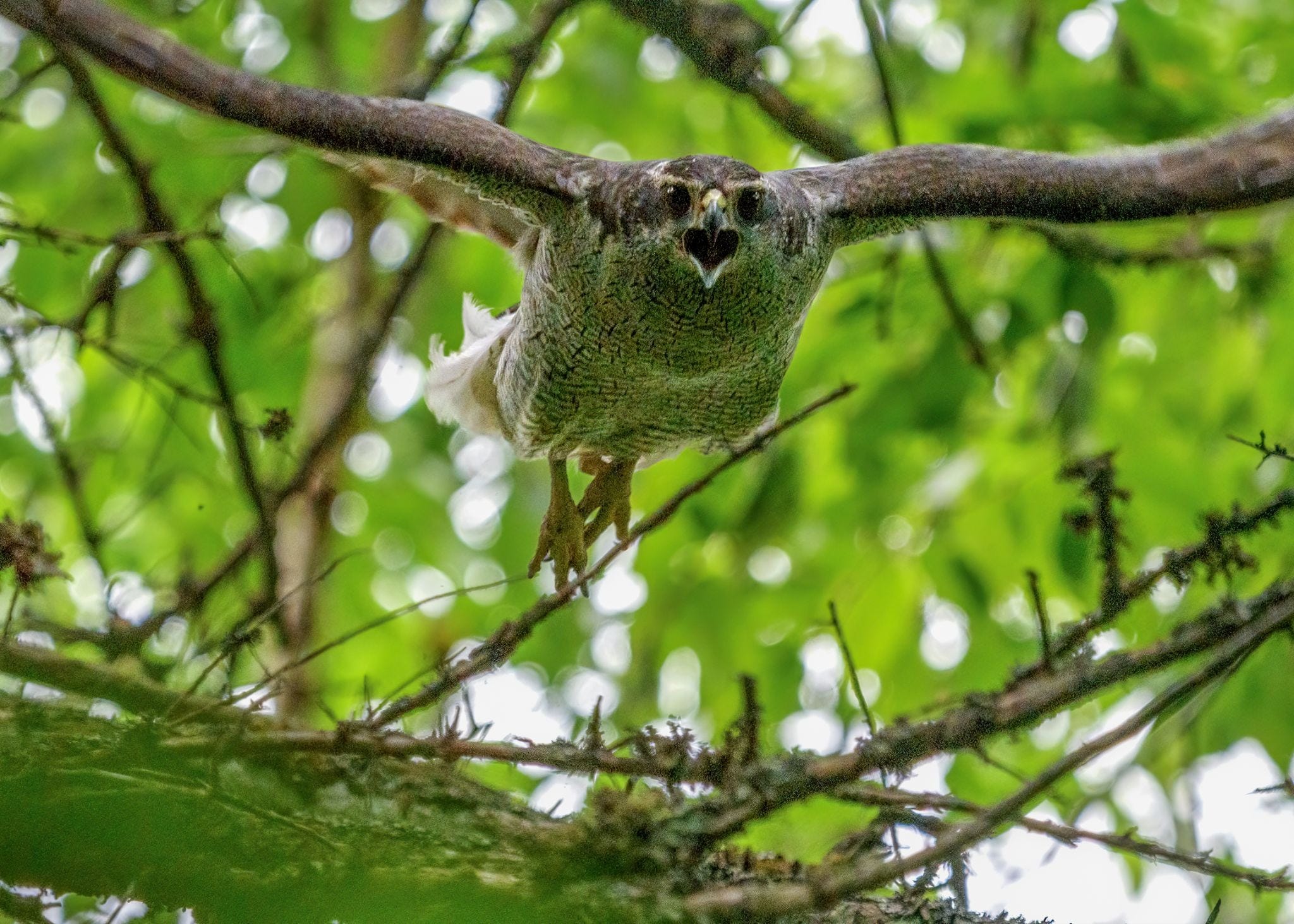
Northern Goshawk: This large hawk nests in large blocks of mature forest and is therefore uncommon everywhere. Goshawks fiercely defend their nesting sites and will dive on any creature that comes around, including humans. If you find one (or it finds you), be ready to duck and keep the location to yourself. Goshawks chicks are sought for use in falconry and can sell for thousands of dollars.
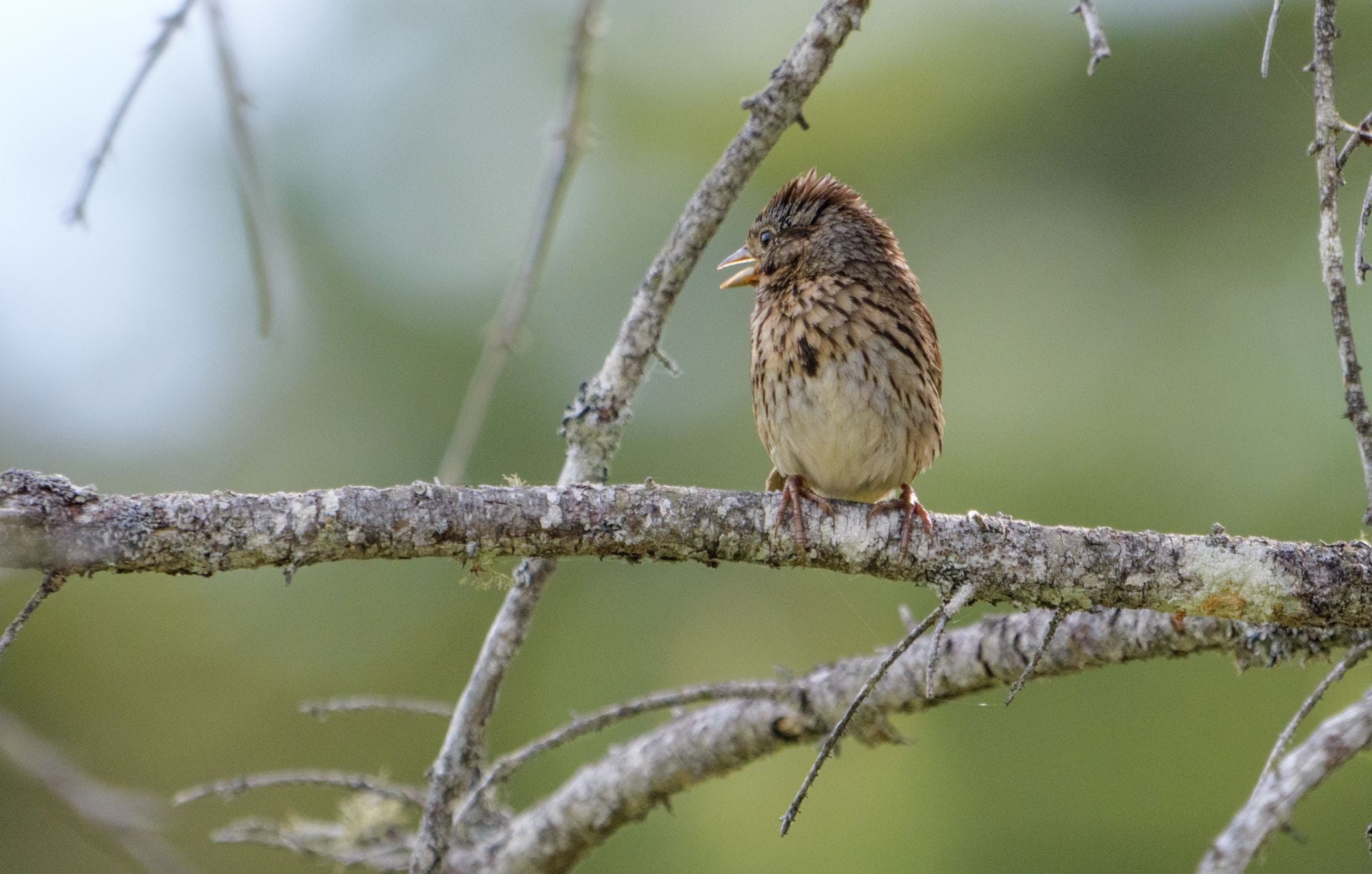
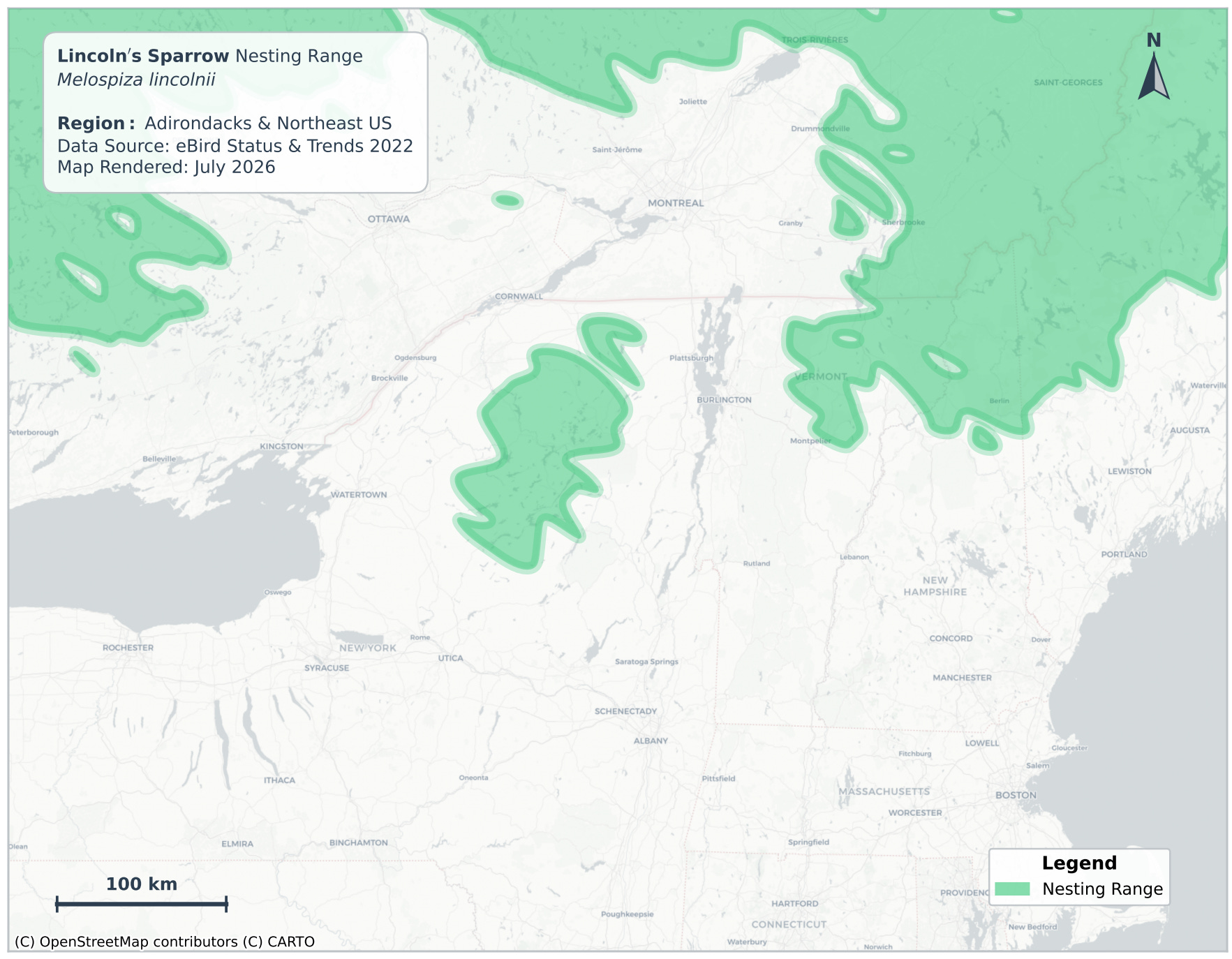
Lincoln’s Sparrow: Shy and uncommon, an isolated nesting population is found in the Adirondacks
Thanks for reading! Subscribe for free to receive new posts and support my work.